On Being a Formidable Biotech Founder
20 Sep 2026
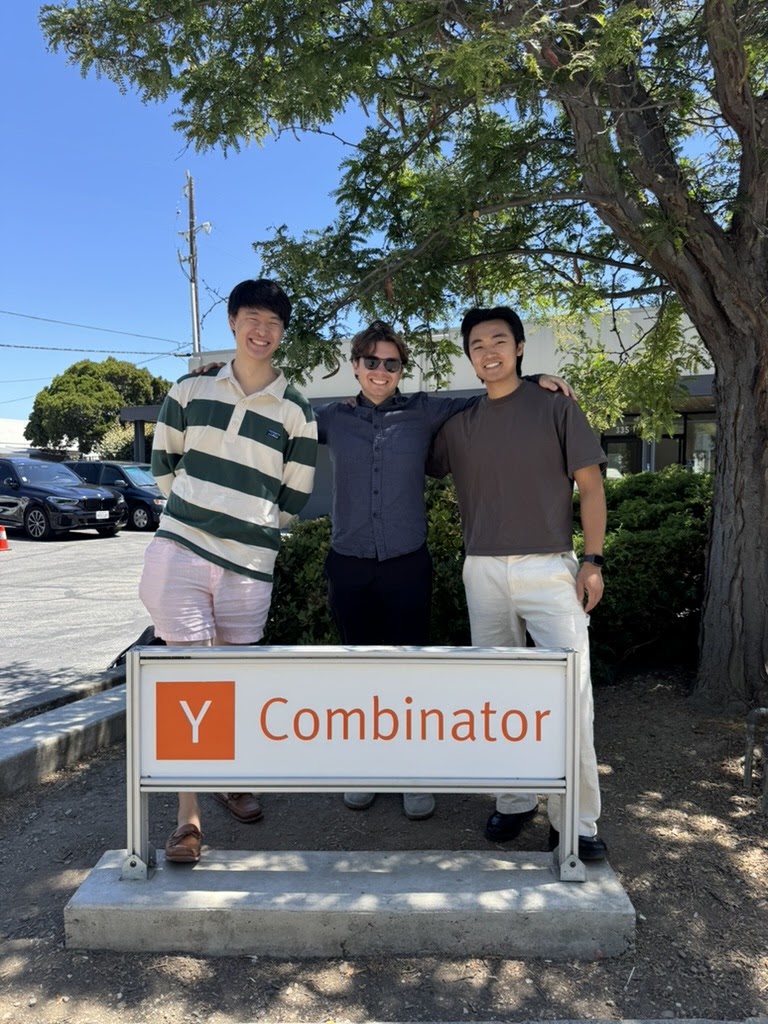
The further I get from YC, the more I appreciate the cultural piece that it instills in founders. During the batch, I remember hearing that you have to be a formidable founder, but filing it away for later because we were busy pulling all-nighters to get MVPs to potential customers. Now, a year removed from Demo Day, it’s been interesting to reflect on the advice hammered into us, especially in the context of making decisions under uncertainty.
The thing I’ve come to appreciate is that building a successful startup feels mostly bottlenecked by the quality of our decision-making. The number of degrees of freedom for what you can do is just so mind-bogglingly high. So much depends on our ability to make clear decisions and prioritize the most pressing problem at the time.
Paul Graham describes a formidable person as someone who gets what they want, regardless of the obstacles. I want to dwell on the word formidable, since it isn’t a strictly positive term. Think of the phrase “a formidable foe.” For me, it forces me to adopt traits like decisiveness, commitment to execution, and putting force behind the things I commit myself to.
Being formidable feels especially useful in biotech, where the opportunity looks so clear while the way to pursue it remains uncertain. Biology is one of the last great frontiers of the unknown. Deep learning is particularly suited to helping untangle it: we can generate structured biological data relatively easily, while the underlying data-generating process remains unclear. But seeing the technical opportunity doesn’t make it obvious which business model to pursue. We’re building for an industry plagued by Eroom’s law: the historical decline in new drugs approved per dollar spent on R&D. It requires a certain recklessness, or hubris, to believe we’re going to be the ones to buck this trend.
So what does being formidable mean in practice? Testing ideas in this industry is expensive, and there is no obvious “correct way forward” when choosing a business model. It’s easy to get stuck trying to resolve the uncertainty before committing. In discussions with my co-founders, we keep coming back to the balance between being intellectually calibrated and committing to a clear vision and executing on it. For me, this requires two stages: first, doing the work to understand the problem and estimating the probabilities; then, once we’ve committed, doing everything we can to achieve the goal. That second stage is the exact definition of being formidable.
During a PhD or in a more hierarchical workplace, a senior figure can provide some reassurance that a strategic decision makes sense. I understand the appeal of that reassurance. But I’ve come to relish the early onset of indecision. When I feel myself hesitating, I ask, “What does the formidable version of Phil do?” This allows me to grow because it forces me to take responsibility for a decision and act on it. That commitment also means being willing to adjust when we learn something new. It’s a privilege to bet on yourself.
As I build technology and develop a clearer understanding of what will accelerate clinical trials, I’m growing personally. In the past year, I’ve learned as much as I did during my PhD. I can’t recommend YC enough.
← Philip Fradkin